
Gum Disease Treatment Brookline
We Address Gum Disease at Its Source

Gum disease is truly a menace, and despite the condition’s name, it doesn’t just harm your gum tissue – it can also damage your teeth and even lead to tooth loss if things go unaddressed for too long. Thankfully, it’s something that our team can often reverse before things get too bad. To learn more about gum disease treatment in Brookline, or to schedule an appointment if you're concerned about your gum health, don’t wait to contact our Brookline office today.
Why Choose Brookline DentalWellness for Gum Disease Treatment?
- Advanced Dental Technology Ensures Personalized Care
- Experienced, In-House Periodontist on Staff
- Personalized & Comprehensive Treatment Planning
Do I Have Gum Disease?
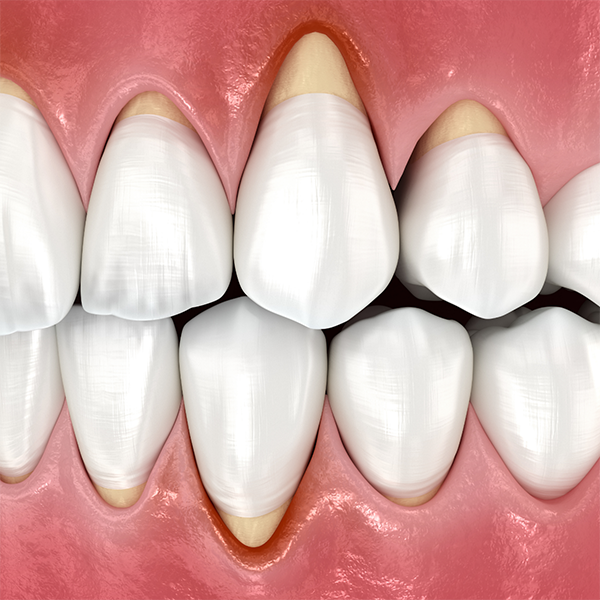
It’s estimated that over half of adults aged 30 or older have some form of gum disease. However, it can manifest differently for patients, and some may experience symptoms while others unknowingly have the condition. A few of the most common signs of gum disease include:
- Swollen, puffy gums that are reddish or purplish in color
- Gums that bleed easily, especially when brushing your teeth
- Chronic bad breath that won’t go away
- Pus between your teeth and gums
- Pain or difficulty when chewing
- Gum recession, which is when your gum tissue begins pulling away from your teeth
If you’re noticing any of these symptoms, you shouldn’t hesitate to reach out to schedule an appointment. When left untreated, gum disease can lead to total tooth loss, among other serious issues.
Scaling & Root Planing
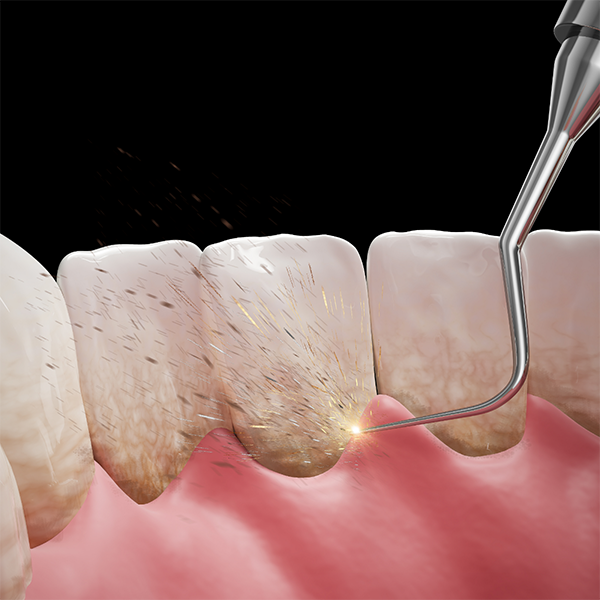
Scaling and root planing are a pair of procedures that often serve as the best means of addressing gum disease that doesn’t respond to improved oral hygiene. Using specialized instruments, we can carefully remove the pockets of harmful bacteria trapped beneath the gumline. Once this has been accomplished, we’ll smooth out the roots of the teeth so that the surrounding gum tissue can healthily reattach itself.
Laser Gum Treatment with LANAP®
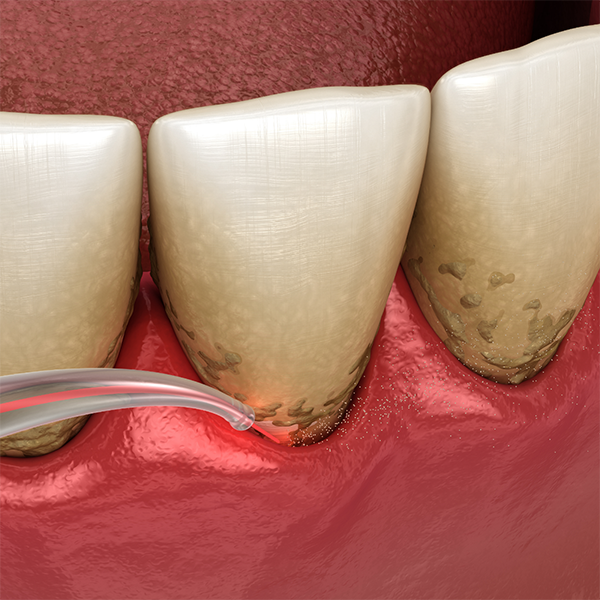
Laser-Assisted New Attachment Procedure (LANAP) is an FDA-approved laser gum treatment that eliminates infected tissues harboring bacteria while promoting bone and gum restoration. Using our soft tissue laser, our team will address areas of infection, preserve healthy tissue, and reduce bleeding and swelling to facilitate a faster recovery.
Periodontal Maintenance Program
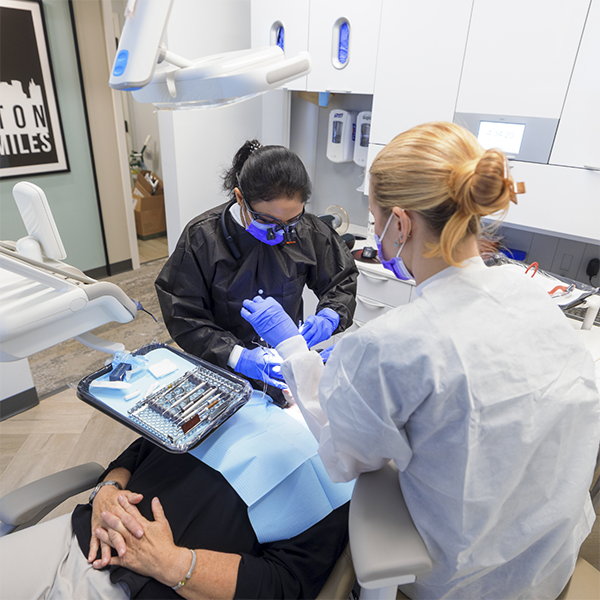
Once you have been diagnosed with gum disease, it is important that you remain extra diligent in caring for your gums. Our periodontal maintenance program can help you do that. By regularly monitoring your gum tissue, we can spot early signs of gum disease recurrence. Our team can also provide personalized coaching on oral hygiene and offer prompt interventional care, such as scaling and root planing, if we notice that you need a bit of extra help to prevent gum disease from returning in full force.
Gum Grafts
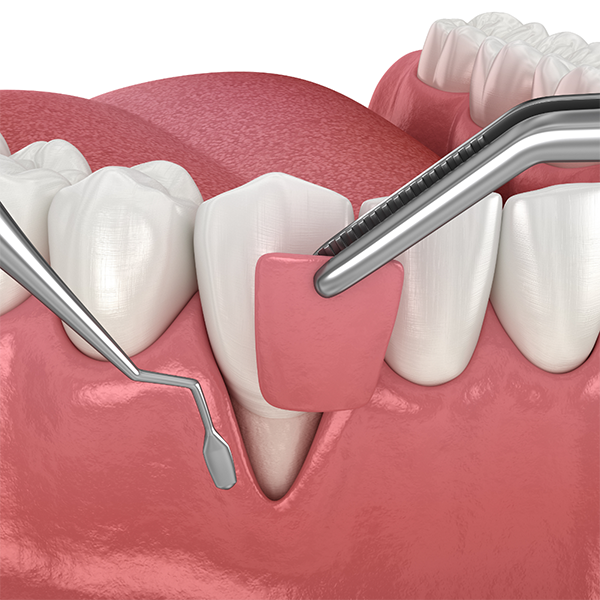
If it progresses far enough, gum disease can cause the tissue around your teeth to recede. Not only can this make your teeth appear longer, but it can also cause extra dental sensitivity. With a gum graft, we can use tissue from another source, possibly from the roof of your mouth, to cover your tooth roots. This can improve your smile’s proportions and enhance oral comfort.
Bone Grafting
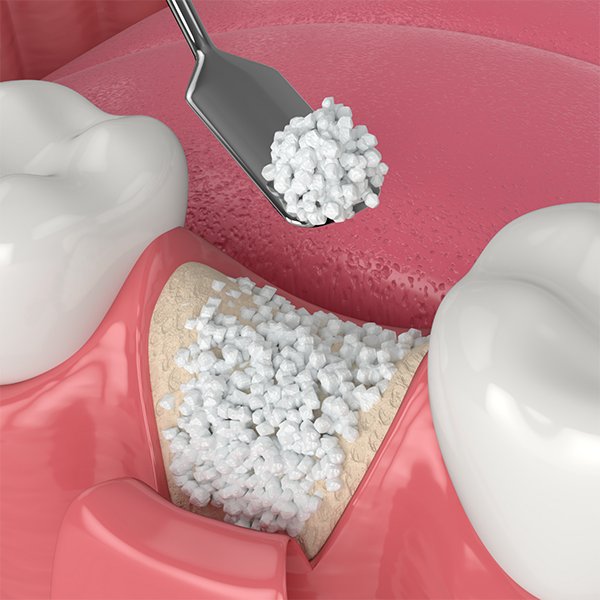
Did you know that advanced gum disease can attack the jawbone as well as the soft tissues in your mouth? As the bone deteriorates, it can cause the teeth to become loose. A bone graft is a procedure in which we add bone material, possibly synthetic bone or donor bone, to your jaw. This strengthens it and may prevent the need for tooth extractions. Or, if you have already lost some teeth, it can make your jawbone strong enough to support dental implants.
Ridge Augmentation
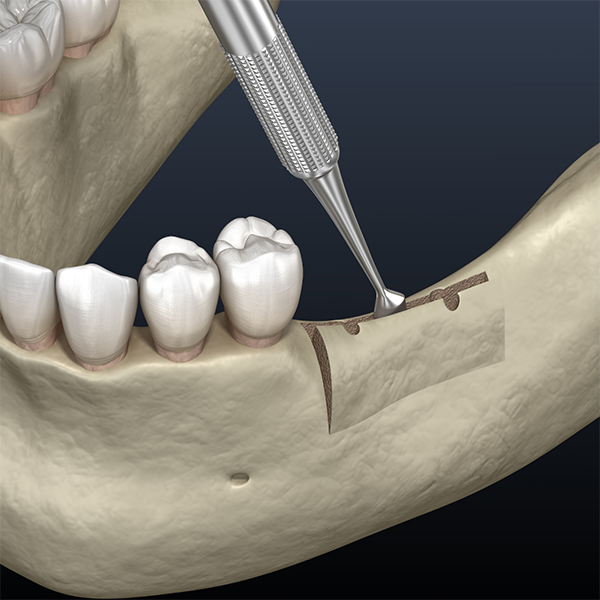
Your teeth are attached to a portion of your jawbone known as the alveolar ridge. Gum disease and other issues may make this ridge overly narrow, so it may not be able to support dental implants or other tooth replacement options. Ridge augmentation can help. It is a special type of bone graft in which we wedge the ridge apart and place a graft in its center. After it heals, the ridge is wider and stronger than before.